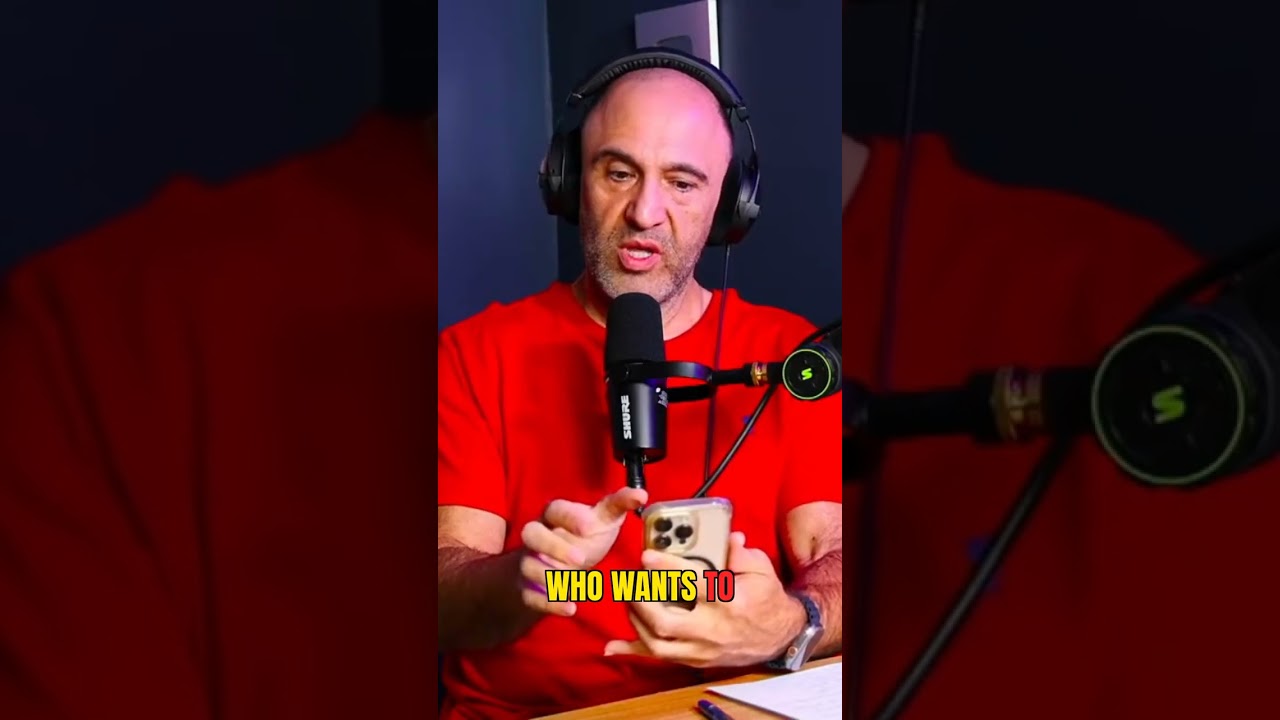
Why Stream Lurkers Stay Silent: The Psychology of Audience Fear on Livestreams
Discover the psychological reasons behind livestream lurkers who refuse to type in chat, exploring the fear of public embarrassment, social anxiety, and why creators struggle to convert passive viewers into active participants through audience engagement tactics.
Key Takeaways
- Livestream lurkers often stay silent due to a deep-seated fear of being singled out or publicly roasted by the host.
- Rising viewer counts do not automatically translate to chat engagement; passive audiences require targeted, low-stakes calls-to-action.
- Offering playful banter or small transgressions, like roasting a third party like Bobby, creates a safe space for initial participation.
- Social anxiety in digital chatrooms mimics real-world public speaking fears, making anonymity feel safer than typing a single word.
- Hosts can successfully bridge the gap between wallflowers and active participants by balancing humor with clear safety boundaries.
The Anatomy of the Digital Wallflower
If you have ever hosted a livestream, you know the maddening phenomenon: the viewer count climbs steadily from ten to fifty, then to a hundred, yet the chat box sits as barren as a desert. It is just you, your thoughts, and the digital tumbleweeds rolling across the screen. Why do people do this? Why do digital wallflowers choose to lurk in the shadows when interacting is literally a click away? The answer lies in a complex mix of digital anthropology, social anxiety, and the very real fear of becoming the evening entertainment.
When viewers enter a live chatroom, they enter an unwritten social contract. Some feel comfortable immediately dropping a comment, while others prefer the safety of the bleachers. Lurking is comfortable. It requires zero cognitive load, zero risk of typos, and zero chance of social embarrassment. To a lurker, the chat is not a community hub yet; it is a live-action theater where they are safely hidden in the dark, hoping the spotlight never swings their way.
Why Fear of Public Embarrassment Kills Chat Activity
The primary deterrent for silent chat members is the lingering fear of the host's tongue. Comedians and live streamers love a quick-witted comeback, but for an ordinary viewer just trying to unwind after a long day at work, becoming the punchline of a stream is a worst-case scenario. Even when a host promises not to bite, the social risk feels magnified in a public digital space.
The Spotlight Effect Online
Psychologists call this the spotlight effect—the phenomenon where people believe they are being noticed much more than they actually are. In a livestream chat, a lurker assumes that the exact millisecond they type "hi," the entire stream will halt, the host will zoom in on their username, and they will be subjected to an impromptu psychological excavation. This hyper-awareness paralyzes potential participants. They would rather ghost the stream entirely than risk a playful roasting.
The Cost of Anonymous Safety
Anonymity cuts both ways. While it protects viewers from real-world consequences, it also removes the social lubrication of face-to-face interaction. Without visual cues like smiles or nods, text can feel aggressive or unpredictable. A host saying, "Type one word and I will roast your boss" sounds like a fun, interactive game to the streamer, but to an anxious lurker, it sounds like an invitation to execution.
How Hosts Can Convert Lurkers into Participants
Breaking the ice with a passive audience requires more than just begging for attention. When viewers are too scared to type, standard calls-to-action fall completely flat. Creators need a strategy that lowers the barrier to entry to absolute zero while providing a clear psychological safety net.
One effective method is redirecting the target of the humor. Instead of threatening to roast the viewer directly, offering up a safe, fictional, or universally relatable scapegoat—like an imaginary friend, a pet, or a generic boss—removes the personal threat. It gives the chat permission to laugh without feeling vulnerable. Furthermore, keeping the initial prompt down to a single word ("hi," "yo," or even just an emoji) minimizes the effort required to break the silence.
Conclusion
Understanding the mindset of the silent chat room helps bridge the gap between awkward radio silence and electric, spontaneous comedy. Whether you are a creator trying to spark life into a stubborn audience or a lurker trying to conquer your digital shyness, recognizing the underlying fear changes everything. To dive deeper into the hilarious dynamics of audience psychology and live-show banter, make sure to Listen to the full episode for a masterclass in handling silent chats and high-stakes comedic coercion.
Frequently Asked Questions
Why do livestream viewers refuse to chat even when the room is packed?
Viewers often stay silent due to the spotlight effect and social anxiety. They fear being singled out, misinterpreted, or playfully roasted by the host, preferring the safety and anonymity of lurking.
What is the best way to encourage silent chat members to participate?
Using low-effort, highly specific calls-to-action—such as asking for a single-word reply or offering to roast a harmless third party instead of the viewer—helps lower the barrier to entry and builds psychological safety.
Does a high viewer count always mean good engagement?
No. High viewer counts frequently conceal massive amounts of lurkers who consume content passively without ever interacting in the chat.
How do hosts balance edgy humor with audience comfort?
Hosts maintain this balance by setting clear boundaries, signaling consent, and ensuring that playful insults remain lighthearted rather than genuinely mean-spirited.