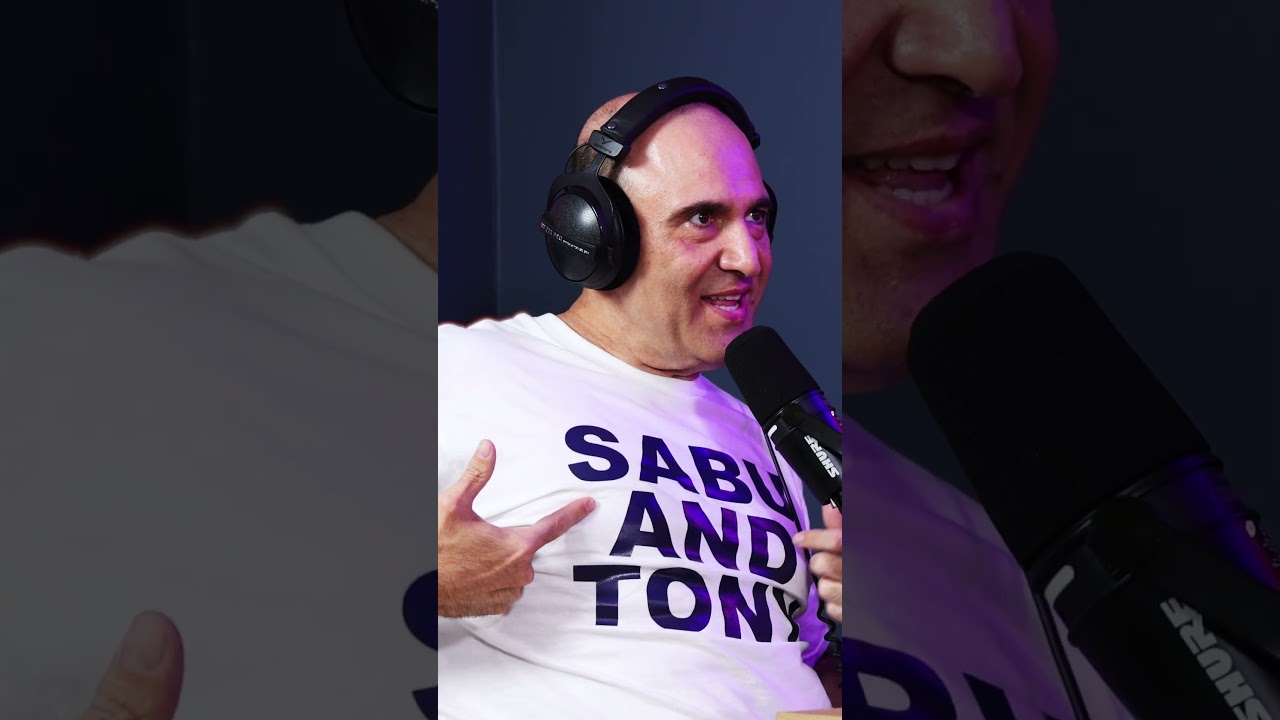
Why Listening to Sabu Will Change Your Perspective on Classic Comedy
Discover how exploring the legendary cinematic persona of Sabu can completely revolutionize your approach to modern entertainment. This guide dives deep into the timeless appeal of classic performances, breaking down how historical cinematic icons continue to influence contemporary comedy, stage presence, and versatile storytelling in today's digital media landscape.
Key Takeaways
- Understand the profound influence of classic actors like Sabu on modern comedic timing and physical performance.
- Explore the intersection of traditional cinema history and avant-garde comedy podcasting formats.
- Learn how to appreciate vintage storytelling techniques to enhance your own creative output.
- Uncover the secrets behind crafting versatile entertainment that bridges multiple creative disciplines.
The Enduring Legacy of Sabu in Entertainment
Look, I've seen a lot of performers come and go in this crazy business, but every once in a while, you stumble across a force of nature that makes you completely rethink the craft. We are talking about genuine artistry here, the kind that doesn't just entertain an audience, but grabs them by the lapels and demands their absolute attention. When people talk about historical icons, they often miss the sheer raw energy that performers like Sabu brought to the screen. It wasn't just acting; it was an absolute masterclass in physical presence and emotional gravity.
Now, I know what some of you are thinking. You are sitting there scrolling through your endless feeds of digital noise, wondering why on earth a modern comedy fanatic is dragging you back into the annals of cinematic history. Well, strap in, because that is the exact trap you need to avoid. If you do not understand where the blueprints came from, you have got no business trying to build a skyscraper of comedy today. The greats of the past laid down the groundwork for every single bit, monologue, and improvised riff you hear on your favorite podcasts right now.
Mastering Physicality and Timing
Comedy isn't just about what you say into a microphone. Anyone with a larynx and a Wi-Fi connection can run their mouth for an hour. True performance requires a physical vocabulary. When you study the way classic screen actors commanded a room without uttering a single syllable of modern slang, you start to realize how lazy a lot of contemporary entertainment has become.
Sabu understood movement. Every gesture had weight. Every pause carried tension. In the realm of audio entertainment, translating that level of dynamic energy requires a deliberate choice of pacing. You have to use your voice the way a physical actor uses their entire body—shifting weights, dropping tones, and building suspense until the listener is hanging on your absolute every word.
Bridging Classic Cinema and Modern Podcast Comedy
How do you take the spirit of a legendary silver-screen icon and fuse it with the wild, unfiltered chaos of an award-winning comedy podcast? It is an art form, my friends. It is about taking high-brow appreciation and dragging it straight down into the dirt of insult humor, masterclasses, and spontaneous monologues. You cannot take yourself too seriously, but you damn well have to take the craft seriously.
Think about the versatility required to jump from a dramatic reading to a biting piece of observational comedy. That is the exact energy we channel when we dissect the greats. We don't just put historical figures on a dusty museum shelf and bow to them. We pull them down, dust them off, run them through the comedic blender, and serve them up hot to an audience that expects nothing less than absolute excellence.
The Ultimate Art of Creative Versatility
If you pigeonhole yourself into one little lane in this industry, you are already dead in the water. Look at the range demanded by modern audiences. One minute you are doing a silent film critique, the next you are delivering spoken word poetry, and before the credits roll, you are dropping a masterclass on modeling or inspirational speaking. That level of eclectic genius is rare, but it is precisely what separates the legends from the hacks.
When you listen to a deep dive on a figure like Sabu, you are learning how to expand your own creative parameters. You are learning that a true entertainer can inhabit any genre, any medium, and any era without ever losing their distinct voice. That is versatility, baby.
Conclusion: Take Your Appreciation Further
At the end of the day, studying the masters is not an academic exercise—it is a survival skill for anyone who wants to create memorable art in a crowded world. Whether you are an aspiring comedian, a podcast aficionado, or just someone who appreciates the finer points of legendary performances, looking back is the only way to move forward with any real authority.
Ready to experience the full force of this conversation? Do yourself a massive favor and Listen to the full episode right now. Trust me, it is an absolute game-changer that will leave you laughing, thinking, and looking at entertainment in a completely different light.
Frequently Asked Questions
How does classic cinema influence modern podcasting?
Classic cinema provides the foundational storytelling techniques, pacing, and dramatic tension that great podcasters use to keep listeners engaged. Translating visual mastery into audio performance requires a deep understanding of vocal dynamics and dramatic timing.
What makes creative versatility so important for entertainers?
Versatility allows performers to seamlessly transition between vastly different formats—such as insult humor, dramatic readings, and masterclasses—keeping audiences engaged and preventing creative stagnation in a competitive media landscape.
Where can I listen to the complete discussion about this topic?
You can catch the full conversation and experience all the award-winning comedy by visiting the official episode page and listening to Listen to the full episode.