The Creative Process: Balancing Video Production and Audio Storytelling
Welcome back to the blog companion for the Pick a Topic podcast! Creating engaging modern media is no small feat. In today's digital landscape, creators are constantly challenged to capture and hold audience attention in an ocean of content. Whether you are scrolling through social media feeds, streaming a video essay, or listening to your favorite weekly audio show, the media we consume is the result of a meticulous creative process. Behind every smooth transition, crisp vocal track, and compelling visual frame lies a delicate balance between audio and visual elements.
In this deep dive, we are going behind the scenes to explore the tools, editing secrets, and collaborative efforts that bring our show to life each and every week. We will look at why sound still forms the beating heart of storytelling, how video enhances the narrative, and how our production team manages the chaotic workflow of modern media creation. To truly understand this journey, we recently sat down for a special conversation that you can hear over on Pick a Topic EP. 7: Jonathan Generational Wealth, where we break down these exact concepts with our very own video wizard.
Meet Jonathan: The Vision Behind Pick a Topic EP. 7
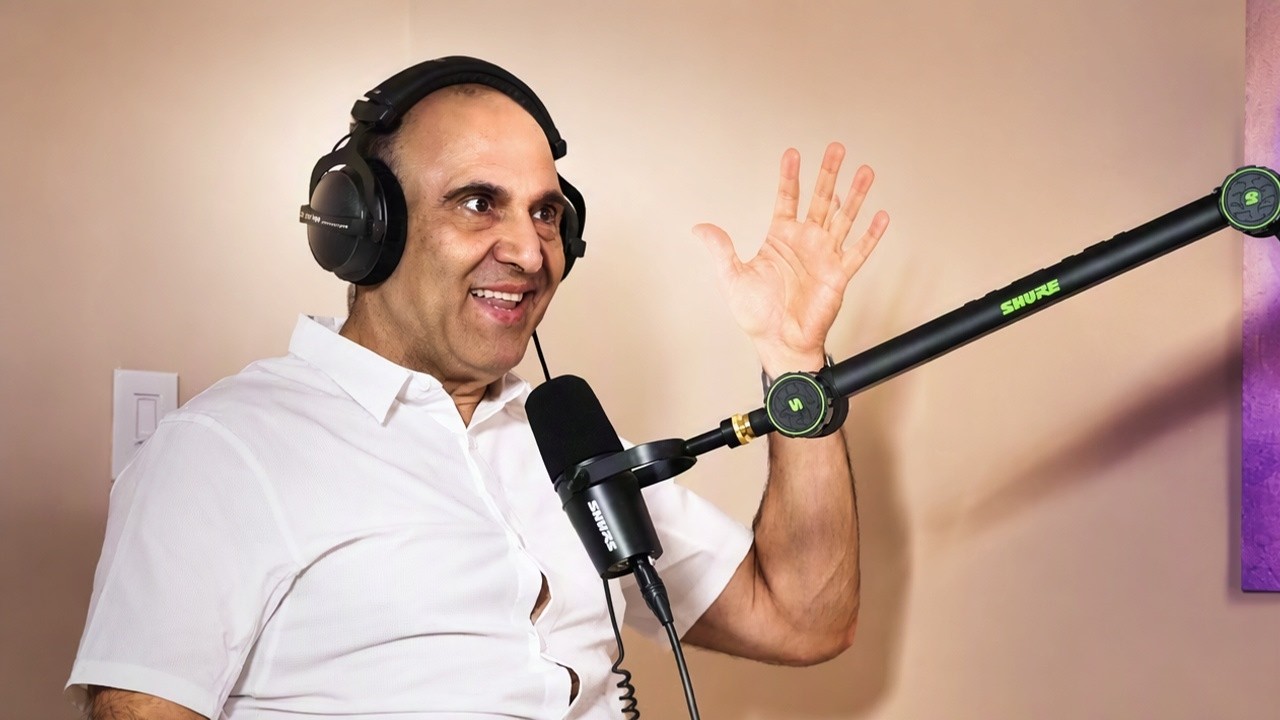
When you listen to a podcast, it is easy to forget about the invisible architecture supporting the experience. For the longest time, our show lived strictly in the ears of our listeners. But as media evolved, so did our ambitions. We wanted to offer our community something more dynamic, something they could not only hear but visually immerse themselves in. Enter Jonathan, our resident videographer and editor, who joined us for a very special milestone conversation.
In our seventh episode, we pull back the curtain on what it is really like to manage the visual identity of a rapidly growing show. Jonathan brings a wealth of experience to the table, navigating the tricky waters of frame rates, color grading, multi-camera setups, and narrative pacing. During our chat, we discussed the hurdles of translating deep conceptual conversations—like building generational wealth—into engaging visual formats that keep viewers hooked from the first second to the last.
Jonathan’s journey into video production wasn't a straight line. It involved years of trial and error, mastering lighting kits, experimenting with camera lenses, and learning how to interpret a director's vision. Having a dedicated visual storyteller on the team completely shifts the creative dynamics of a production. Suddenly, a podcast isn't just microphones and a mixing board anymore; it is a full-scale multimedia production studio operating on a weekly schedule.
The Audio First Approach: Crafting the Story
Even though we have expanded heavily into the visual realm, our philosophy remains firmly rooted in an audio-first approach. Why? Because bad video can sometimes be forgiven if the lighting or framing is slightly off, but bad audio is an instant dealbreaker for any audience. If a listener cannot understand what is being said, or if the room echo is so loud that it strains their ears, they will click away within the first ten seconds, regardless of how cinematic the camera angles look.
Building the Narrative Spine
Every great episode starts with a compelling narrative spine, and that spine is constructed entirely in the audio editing suite. Before a single second of B-roll is selected or color correction is applied, we scrub through the raw interview audio to find the golden nuggets of conversation. We listen for pacing, emotional inflection, clarity, and thematic relevance.
During this phase, we make tough editing decisions. We cut the fluff, tighten up long pauses, and arrange the discussion into a logical, flowing narrative arc. This audio-first mindset ensures that the story makes sense purely as a listening experience. If the story doesn't work when you close your eyes, adding fancy graphics and cinematic camera movements won't save it. The audio is the foundation of the house; everything else is just interior design.
Sonic Branding and Atmosphere
Beyond spoken dialogue, audio storytelling relies heavily on sonic branding and atmosphere. This includes the intro music that welcomes you to the show, the subtle background beds that build tension during emotional moments, and the crisp sound effects that punctuate key takeaways. Sound design manipulates human emotion in ways that visuals alone simply cannot achieve. A low bass drop can signal impending importance, while a warm acoustic guitar strum can make a heavy topic feel intimate and conversational.
Visual Storytelling: Enhancing the Narrative Through Video
Once the audio foundation is rock solid, it is time to bring in the visual elements. Visual storytelling is not just about pointing a camera at two people talking and hitting record. It is about actively enhancing the narrative, guiding the viewer's eye, and communicating subtext without relying solely on spoken words.
The Power of Framing and Composition
When Jonathan sets up the cameras for the Pick a Topic studio sessions, every framing choice is deliberate. Wide shots establish the environment and make the viewer feel like they are sitting in the room with us. Medium close-ups create a sense of conversational intimacy, allowing the audience to read micro-expressions, body language, and genuine reactions.
Furthermore, dynamic camera angles can dramatically shift the energy of a segment. When a guest makes a profound point or shares a shocking statistic, cutting to a tighter angle or subtly pushing in on the lens emphasizes the weight of that statement. It mimics the natural way human attention focuses on a speaker during an intense face-to-face conversation.
Dynamic B-Roll and Graphics
Talking head videos can quickly become monotonous if the visual landscape never changes. To combat visual fatigue, we incorporate dynamic B-roll, custom graphics, and lower-third text animations. Whether we are illustrating a complex financial concept or highlighting a historical quote, these visual aids act as punctuation marks for the viewer's brain. They anchor abstract ideas into tangible imagery, making the content significantly easier to digest and retain.
Behind the Scenes: Our Weekly Editing Workflow
People often ask us how we manage to put out fresh, high-quality episodes on such a consistent schedule. The secret isn't magic—it is an obsessively structured editing workflow. Producing a multimedia show every single week requires a military-grade routine where every day has a designated purpose.
Our weekly cycle generally looks something like this:
- Monday and Tuesday: Ideation, guest outreach, and outline preparation for the upcoming recording sessions.
- Wednesday: Studio recording day. We capture multi-track audio and multi-cam video simultaneously to ensure maximum flexibility in post-production.
- Thursday: Audio rough cut and dialogue cleanup. We remove mistakes, smooth out breathing noises, and polish the vocal tracks to broadcast quality.
- Friday: Video assembly and rough cut. Jonathan matches the multi-cam angles, cuts out dead air visually, and drops in placeholder graphics.
- Saturday: Fine-tuning, color grading, sound mixing, and export preparation. We watch through the final master file to catch any lingering glitches.
- Sunday: Launch day! The episode goes live across all audio streaming platforms and video channels.
This tight turnaround leaves very little room for error. If one link in the production chain breaks—whether it is a corrupted video file or an audio sync delay—the entire schedule gets thrown into a scramble. That is why communication and trust between the audio editor and the videographer are absolute must-haves.
Essential Tools of the Trade
You do not necessarily need a Hollywood-budget studio to produce engaging media, but having reliable, professional-grade tools makes a monumental difference in the final product's quality. Over the course of producing the Pick a Topic podcast, we have refined our hardware and software stack down to a science.
Audio Gear
On the audio side, we rely on broadcast-quality dynamic microphones that reject background room noise and capture the warmth of the human voice. These run into multi-track audio interfaces that record individual channels for every speaker, giving us total control during the mixing phase. We use industry-standard digital audio workstations equipped with advanced compression, EQ, and noise-reduction plugins to ensure crystal-clear vocal delivery.
Video Gear and Software
For video production, Jonathan utilizes high-resolution mirrorless cameras paired with fast prime lenses to achieve that gorgeous, cinematic background blur. Lighting is equally critical; we use softbox LED panels to ensure even, flattering illumination that eliminates harsh shadows. In post-production, we rely on heavy-duty non-linear editing software capable of handling heavy 4K footage streams, multi-cam synchronization, and complex color-grading nodes without stuttering.
Conclusion: Striking the Perfect Balance in Modern Podcasting
Creating compelling media is a continuous balancing act. If you lean too far into video production at the expense of audio quality, your listeners will tune out. If you ignore visual storytelling entirely, you miss out on the massive audience engaging with content through video-first platforms. The magic happens right in the intersection—where pristine audio engineering meets intentional, captivating visual design.
Managing this delicate equilibrium is a challenge, but it is also the most rewarding part of the creative journey. As we continue to grow and experiment with new formats, our goal remains simple: to deliver thoughtful, entertaining, and high-value conversations that resonate with our audience on every possible level.
If you want to hear a firsthand discussion on how we navigate these creative hurdles, the tools we rely on, and the philosophy behind our visual and audio branding, you need to listen to our latest release. Head on over and check out Pick a Topic EP. 7: Jonathan Generational Wealth today. Drop us a comment, let us know your thoughts on our production style, and stay tuned for brand new episodes dropping every single Sunday and Wednesday!