Sabu vs. Shabba: Breaking Down the Bold Comparison
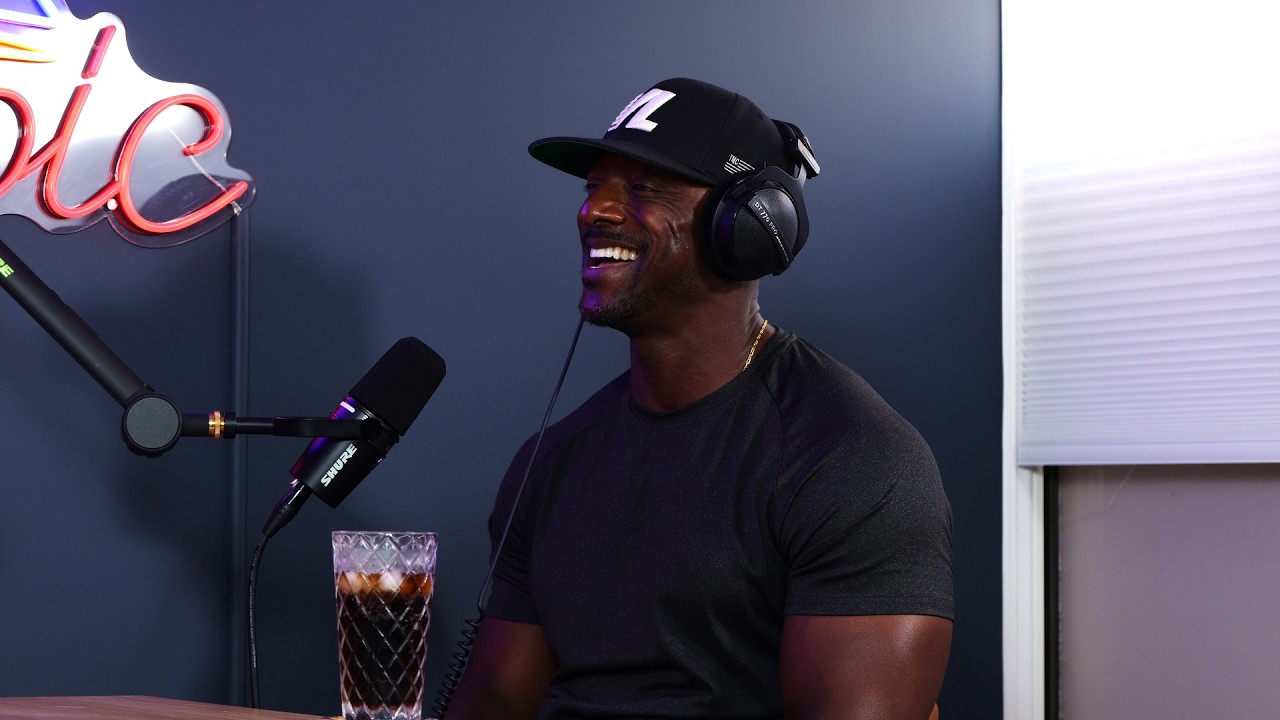
Welcome back to another deep dive companion piece to the podcast! If you have been keeping up with our recent audio journey, you know we never shy away from controversial opinions, hot takes, and passionate debates about music history. In Pick A Topic EP 18: Sabu Part 2, Better than Shabba, we dropped a statement that caused quite a stir among our listeners. We dared to compare two heavyweights of the dancehall and reggae-adjacent spheres and asked the unthinkable question: Is Sabu actually better than Shabba Ranks? In this article, we are going to expand on that exact conversation, breaking down the legacies, cultural impacts, and musical innovations of both artists to see if that bold claim holds up under close scrutiny.
Setting the Stage: The Legacy of Shabba Ranks
To understand why comparing anyone to Shabba Ranks is such a monumental task, we first have to look at the sheer towering mountain of his legacy. Born Rexton Rawlston Fernando Gordon, Shabba Ranks emerged from the gritty dancehall scene of Kingston, Jamaica, to become a global phenomenon during the late 1980s and early 1990s. With his unmistakable raspy voice, commanding physical presence, and unapologetic swagger, Shabba did not just participate in the dancehall genre; he helped export it to the mainstream Western world in a way few had done before him.
Shabba was a trailblazer. He was the first dancehall artist to win back-to-back Grammy Awards for Best Reggae Album in the early 1990s, a testament to his commercial dominance and international appeal. Hits like "Trailer Load A Girls," "Mr. Loverman," and collaborations with major American pop and R&B acts solidified his place in music history. He brought hardcore Jamaican patois and slackness culture straight into American living rooms, paving the way for the dancehall-infused pop music we hear on the radio today. When we talk about global dancehall royalty, Shabba Ranks is sitting comfortably on the throne. Dislodging him, or even placing someone above him, feels almost heretical to purists. Yet, music evolves, and new perspectives challenge old hierarchies.
Unpacking the Phenomenon: Who is Sabu?
Enter Sabu. When we dedicated our episodes to exploring his impact, we knew we were tapping into a rich vein of musical history that often gets overlooked by mainstream pop-culture historians. Sabu represents a different flavor of Caribbean and Latin rhythmic evolution, captivating audiences with a distinct artistic identity that commands attention. While Shabba conquered the world with his raw dancehall dominance, Sabu carved out a niche that resonated deeply with those who appreciate lyrical dexterity, rhythmic innovation, and an undeniable stage presence.
Sabu's journey in the music ecosystem is one of passion, resilience, and cultural resonance. He captured the imagination of fans by blending traditional Caribbean sounds with forward-thinking stylistic choices. To fully appreciate why the comparison to Shabba even came up in our podcasting discussions, you have to look at Sabu's versatility. Where some artists find a lane and stick to it rigidly, Sabu demonstrated a fluidity that allowed him to connect with diverse audiences across different demographics. He represents the underground hero who possesses the raw talent to rival the biggest commercial giants, which is precisely why the debate about his superiority over established icons like Shabba became such a captivating topic for our show.
Musical Impact and Style Comparison
When you put Sabu and Shabba Ranks side by side in a musical laboratory, you are looking at two very different approaches to vocal delivery and rhythmic interpretation. Let us break down their styles.
Shabba Ranks is defined by power. His delivery is aggressive, authoritative, and deeply rooted in the sound system culture of Jamaica. When Shabba deejays over a riddim, he commands the space. His tone is heavy, his cadence is relentless, and his lyrical themes often oscillate between raw sexuality, street realism, and cultural pride. Shabba’s music was built for the massive dancehalls—heavy bass, booming drums, and an energy that could shake the foundation of any venue.
On the other hand, Sabu brings a different texture to the table. While Shabba relies on sheer brute force and booming resonance, Sabu often utilizes nuance, melodic undertones, and a rhythmic agility that dances around the beat in unexpected ways. If Shabba is a freight train moving down the tracks with unstoppable momentum, Sabu is a sports car taking sharp corners with precision and flair. This difference in musical texture is what sparked the debate in Episode 18. Does raw commercial power and pioneering global reach make an artist better, or does artistic versatility, intricate flow, and underground authenticity hold more weight? That is the crux of the Sabu versus Shabba dilemma.
Cultural Relevance and Global Reach
We cannot have a conversation about these two icons without evaluating their cultural footprint. Music does not exist in a vacuum; it reflects the societies that birthed it and influences the world at large.
Shabba Ranks achieved a level of global crossover success that very few Caribbean artists of his era managed. He signed major record deals, walked red carpets, and collaborated with American superstars. He brought the Jamaican rude boy aesthetic to MTV and global radio stations. However, his journey was also marked by controversy, and his cultural impact is sometimes viewed through a complex lens, particularly regarding how dancehall culture interacted with international media and evolving social standards.
Sabu’s cultural relevance, meanwhile, operates on a deeply connected, grassroots level. While he may not have the mainstream Grammy accolades or the massive billboard crossovers of Shabba in his absolute prime, Sabu holds immense cultural currency among true-school music aficionados. His influence is felt in the way modern artists approach their craft, experiment with genre boundaries, and maintain authenticity while speaking to their core audience. For many fans, the authenticity and unwavering dedication to musical craft that Sabu displays make him a more appealing and ultimately superior figure in comparison to the heavily commercialized paths of some mainstream giants.
The Verdict: Is Sabu Really Better Than Shabba?
So, after breaking down the legacies, the musical styles, and the cultural footprints, do we stand by the bold claim made on the podcast? Is Sabu actually better than Shabba Ranks?
The truth is, art is subjective, and greatness is often in the eye—or rather, the ear—of the beholder. If we are measuring greatness strictly by commercial metrics, global milestones, and the historical act of opening international doors for an entire genre, Shabba Ranks is a titan who is exceptionally difficult to surpass. He is a foundational pillar of modern dancehall.
However, if greatness is measured by versatility, artistic evolution, deep lyrical connection, and the ability to challenge the status quo, Sabu makes a fiercely compelling case for himself. To say Sabu is "better" might ruffle the feathers of traditionalists, but it opens up a necessary conversation about how we value underground impact versus mainstream commercialism. Sabu represents the evolution of the sound, a refreshing alternative to the old guard, and an artist who proves that you do not need mainstream mega-stardom to be the supreme talent in the room.
Conclusion and Listener Discussion
Music debates like the one we tackled in Episode 18 are precisely why we love doing this podcast. Comparing an established global legend like Shabba Ranks with a dynamic force like Sabu forces us to reexamine our biases, appreciate different eras of Caribbean and urban music, and look beyond the surface level of mainstream accolades. Whether you agree with our hot take or think it is absolute blasphemy, the conversation itself is what keeps the culture alive and thriving.
We want to hear directly from you, our amazing community. Do you think Sabu has what it takes to stand shoulder-to-shoulder with Shabba, or did we take the comparison a step too far? Head over and listen to the full discussion on Pick A Topic EP 18: Sabu Part 2, Better than Shabba, and drop your thoughts in the comments or reach out to us on social media. Let us keep the debate going, and stay tuned for more controversial music breakdowns on the next episode!