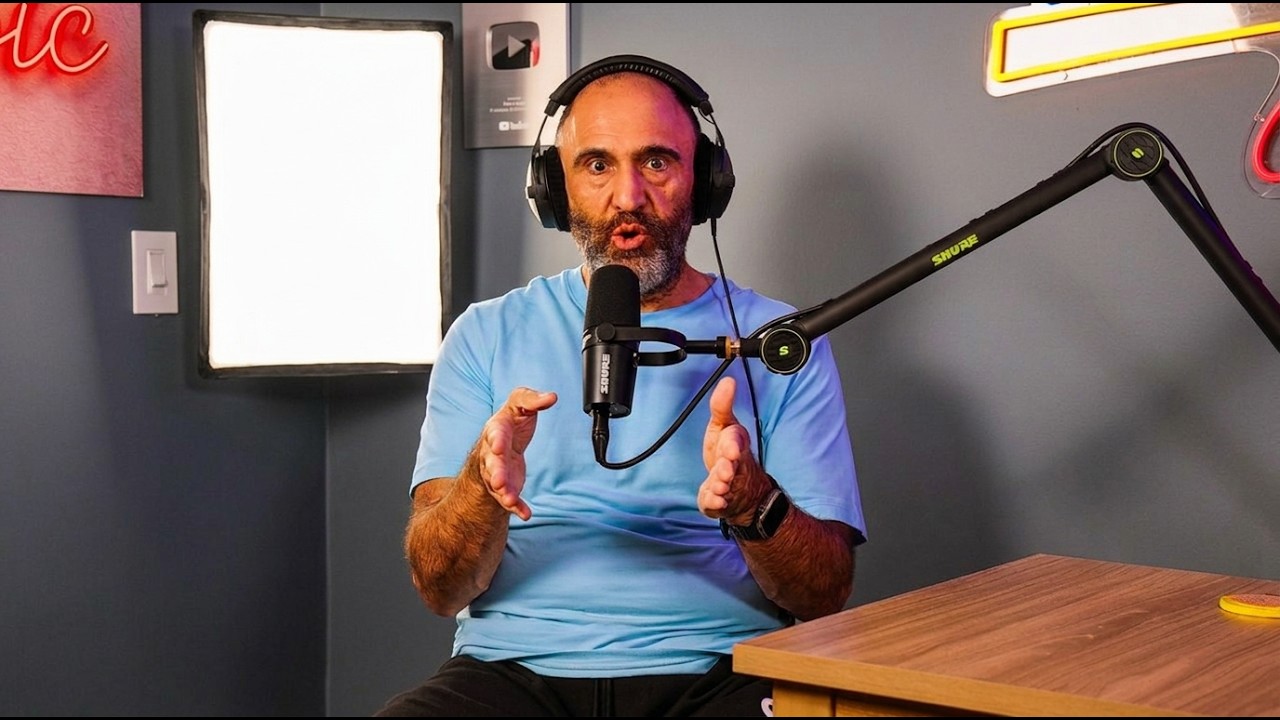
How to Handle Heated Arguments on Live Streams Without Burning Bridges
When tempers flare on a live broadcast and a guest refuses to ever return, knowing how to de-escalate the situation is critical. This guide breaks down the exact communication strategies creators can use to recover from explosive on-air blowups, salvage strained relationships, and keep their production running smoothly.
Key Takeaways
- Recognize the exact moment a live broadcast argument crosses the line from playful banter to genuine disrespect.
- Master the art of immediate accountability before a guest completely cuts ties with your production.
- Implement post-show communication protocols to mend broken trust behind closed doors.
- Establish clear boundaries for future guests to prevent explosive on-air conflicts from happening again.
- Learn how to address an alienated co-host or guest publicly without making the situation worse.
The Anatomy of a Live Stream Blowup
Real talk? When you're running a live stream, things get heated. You got cameras rolling, chat rolling, and adrenaline pumping through your veins like you just jumped the prison yard fence. One second you're chopping it up, and the next, someone says something they can't take back. I've seen guys catch cases over less than what gets thrown around on some of these podcasts.
The problem with live broadcasting is that there is no rewind button. When you drop a heavy truth or cross a line that your guest holds sacred, you're looking at instant fallout. If you want to stay in the game and keep your setup respected on the streets and online, you gotta know how to spot the ignition point before the whole car catches fire.
Recognizing the Red Lines
Every homie has a breaking point. On the show, you might think you're just pushing buttons for entertainment, but people carry heavy baggage. When a guest goes silent, changes their posture, or drops that cold-eyed stare, that's your sign that you just stepped over parole rules. You either catch yourself and pivot, or you end up doing solitary confinement with zero guests willing to pick up your calls.
How to Apologize and Fix the Heat
Look, I just did a bid, and if there's one thing I learned inside, it's that running your mouth without owning your mistakes will get you isolated real quick. When you mess up on air and your guest walks out vowing never to return, an ego-driven apology ain't gonna cut it. You gotta drop the pride, step up like a true stand-up guy, and clear the air.
An authentic apology isn't about making excuses for why you crossed the line. It's about looking someone in the eye—or hitting their line when the cameras are off—and letting them know you messed up plain and simple. If you want to hear a masterclass in what happens when the dust settles and the mic cuts off, check out how the situation unfolded on the latest Listen to the full episode. It's a real lesson in cleaning up your own mess.
The Offline Recovery Process
- Put your ego in check the second the stream ends.
- Reach out privately before trying to address anything in public or on social media.
- Acknowledge the exact words or actions that caused the offense without watering them down.
- Give the aggrieved party space to vent their frustrations without interrupting.
- Offer a genuine path forward without demanding immediate forgiveness.
Preventing Future Walkouts on Your Show
If you want to keep your broadcast running like a tight ship, you gotta establish some ground rules. You can't just run wild and expect everyone to take your verbal beatdowns and smile for the camera. Peace and order matter, whether you're behind bars or behind a mixing board.
Set expectations with your guests before the countdown hits zero. Let them know the vibe of the show so nobody gets blindsided by unexpected jabs. And if things do start getting too real, have a safe word or a mutual understanding that allows everyone to pump the brakes before someone storms out the door for good.
Frequently Asked Questions
What should you do immediately after a guest walks out of a live stream?
Keep your composure, do not chase them down on the live feed, and address the audience calmly before pivoting to a new segment.
How can creators rebuild trust with someone who refuses to return?
Reach out privately with a sincere, ego-free apology that acknowledges your specific mistake without making excuses.
Are on-air arguments good for podcast engagement?
While minor tension can create compelling content, severe blowups that alienate guests damage your long-term reputation and network.
How do you set boundaries with guests before a live broadcast?
Brief your guests on the show's tone, establish topics that are off-limits, and maintain open communication channels before going live.