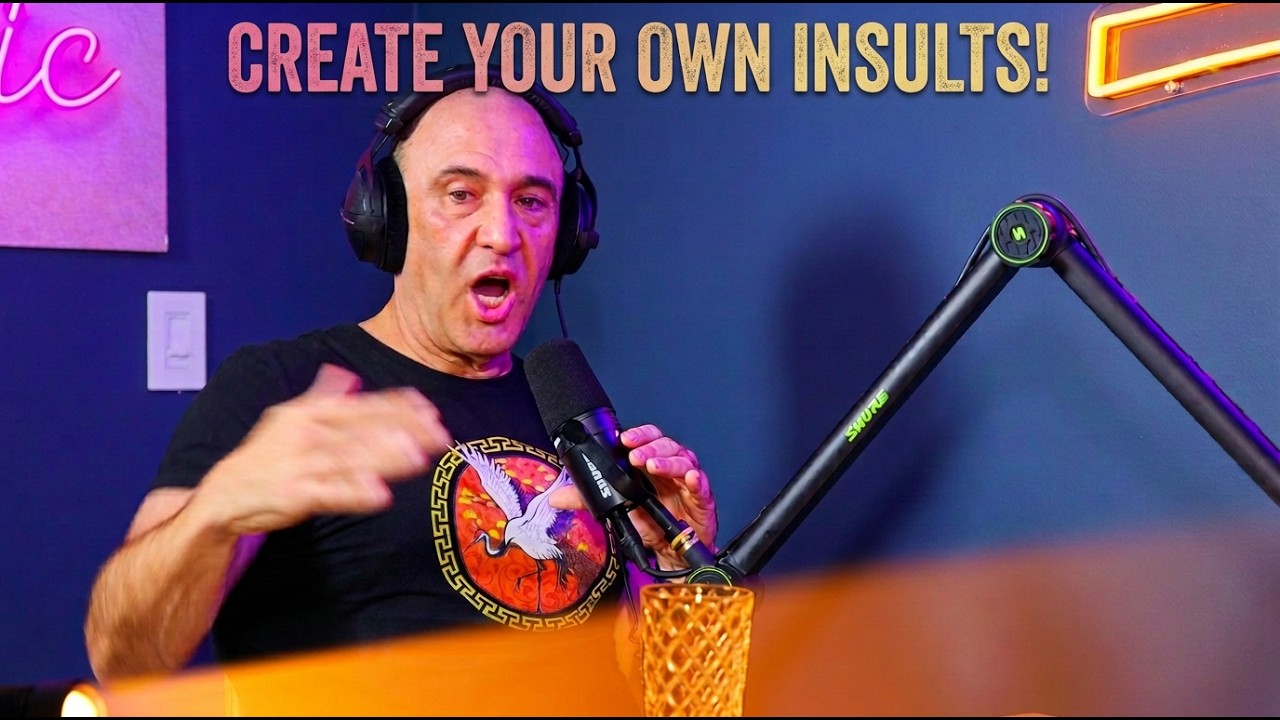
How to Fight Back Against Insurance Company Rip-Offs and Get Even
When a massive insurance corporation stiffs you out of tens of thousands of dollars, sitting back and taking it is not an option for someone who just did a bid and knows how the real world operates. In this deep dive, we look at tactical ways everyday people can turn the tables on greedy corporate giants, leveraging public platforms, audio bullets, and sheer persistence to hit them where it hurts the most: their bottom line and their public image.
Key Takeaways
- Learn why corporate insurance giants rely on your silence and how breaking that silence disrupts their business model.
- Discover how to leverage modern audio content and podcasts to turn a personal grievance into a public accountability campaign.
- Understand the mathematics of corporate retaliation: turning a $38,000 personal loss into millions in lost brand value.
- Find out why consistency and refusing to back down are your greatest assets when dealing with predatory adjusters and corporate bureaucracy.
- Get the blueprint for using free media tools to build an audience while simultaneously holding bad corporate actors accountable.
The Reality of Corporate Rip-Offs Behind Bars and On the Streets
Listen, when you spend time behind concrete walls, you learn one fundamental truth real quick: nobody is coming to save you unless you save yourself. And the same damn rule applies out here in the free world when a multi-billion dollar insurance conglomerate decides to rob you blind. You get a claim denied, you get lowballed on a payout, and suddenly that policy you've been paying faithfully for years isn't worth the paper it's printed on. They hold your money, they stall your checks, and they treat you like you're the criminal just for asking for what's rightfully yours.
I know what it's like to get taken for a ride. When a company stiffs you out of hard-earned cash—whether it is thirty-eight grand or three hundred grand—the pain isn't just about the numbers on the ledger. It is about the disrespect. It's about a suit sitting in an air-conditioned office deciding that your livelihood doesn't matter. But out here, we got tools those suits don't understand. We got a voice, we got a microphone, and we got the internet. And unlike the yard, out here you can broadcast your grievance straight to the masses.
Why Insurance Companies Win Too Often
The whole system is rigged to wear you down. They got teams of lawyers, armies of adjusters, and algorithms designed to frustrate you until you just give up. They count on the fact that you got bills to pay, a family to feed, and a life to live, so you won't have the energy to fight a three-year legal battle over a disputed claim. They want you tired. They want you quiet. They want you to accept pennies on the dollar because fighting back feels too expensive.
That is the exact trap they set. But once you break out of that mindset—once you stop playing by their rules and start writing your own playbook—the dynamic shifts completely. You realize that their massive PR budget and their polished commercials are just a mask hiding a paper tiger. When you hit them where they are vulnerable, which is their brand reputation and customer acquisition pipeline, they start sweating.
Turning a Personal Loss Into a Public Campaign
So how do you fight back when the deck is stacked? You don't hire a high-priced lawyer just to get stonewalled. You take the fight directly to the public square. When an insurance company plays dirty with your claim, make sure the whole world knows their name, their practices, and their total lack of integrity. Every time they ignore an email or lowball a payout, that is ammunition for your own broadcast.
Think about the math of corporate warfare. If a company stiffs an individual out of a massive sum of money, they might think they won that round. But if that individual decides to use every available platform—podcasts, live streams, social media rants—to expose the playbook, the financial damage multiplies exponentially. Suddenly, every prospective customer doing a quick Google search before buying a policy sees the truth. That is how you turn a private grievance into a public relations nightmare that costs them millions in lost subscriptions and policy sales.
The Power of the Audio Bullet
Words are weapons, especially when they are broadcasted across the digital landscape. An "audio bullet" isn't just venting; it's targeted retaliation. It's about putting out undeniable proof of corporate malpractice wrapped in raw, unfiltered truth that resonates with everyday people who are sick and tired of getting screwed over by big business.
When you drop episodes that systematically dismantle a corporation's shiny image, you aren't just getting revenge—you're building a community. People love an underdog who refuses to bend the knee. They tune in not just for the entertainment, but to watch someone stand up to the bullies in expensive suits. And the irony? The very corporation trying to silence or ignore you becomes the gift that keeps on giving, handing you endless content and bringing thousands of new listeners straight to your doorstep.
Conclusion
Getting out from under a bad situation—whether it's a prison sentence or a predatory corporate insurance claim—takes grit, consistency, and an absolute refusal to be quiet. If they take your money, you take their peace of mind. Use every tool at your disposal to expose the corrupt systems trying to keep you down. For a deeper dive into how this plays out in real-time, make sure to Listen to the full episode and catch all the raw details, unfiltered rants, and tactical advice on how to handle corporate bullies.
Frequently Asked Questions
How can an individual fight back against a multi-billion dollar insurance company?
By using public platforms like podcasts, live streams, and social media to expose unfair practices. When you damage their brand reputation and customer trust, you hit them where it hurts far more than a minor legal settlement.
What is an audio bullet in the context of media retaliation?
An audio bullet is a targeted, unfiltered podcast episode or broadcast designed to call out corporate malfeasance, share personal experiences of being ripped off, and educate listeners on corporate manipulation.
Why do insurance companies often succeed in underpaying claims?
They rely on bureaucratic delays, expensive legal barriers, and consumer exhaustion, betting that policyholders will eventually give up rather than fight a prolonged battle for their rightful payout.
Can speaking out about a corporate grievance actually attract an audience?
Yes. Audiences resonate with authentic underdogs who stand up to powerful institutions, often turning a personal grievance into viral content that attracts thousands of new supporters and listeners.