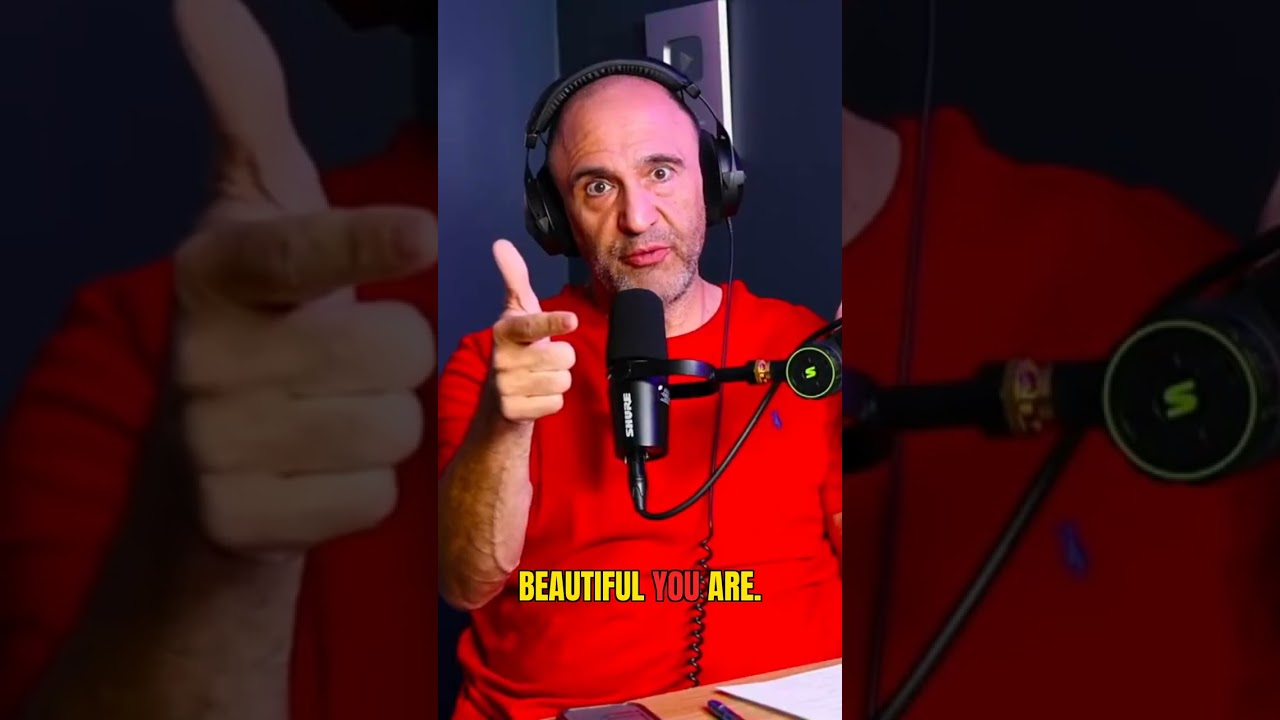
Anatomy of a Playful Insult: How to Construct Comedy Teases That Never Cross the Line
Mastering the art of the playful insult requires understanding the delicate mechanics of conflict, clean comedic structure, and unexpected punchlines. By treating teasing like a mini-story with a built-in twist, you can catch people pleasantly off-guard, charm a room, and deliver razor-sharp banter without ever sounding mean-spirited or malicious.
Key Takeaways
- Every effective playful insult requires a foundational element of conflict, acting as a mini-story or setup to create comedic tension.
- Intent matters immensely; insults must originate from a clean, good-natured place rather than an aggressive or vindictive desire to hurt someone.
- Structuring a tease like a traditional joke—complete with setup, contrast, and a surprise twist—flips listener expectations pleasantly.
- Ambushing someone with a harsh burn destroys relationships, whereas pleasant surprises and self-aware delivery create charming banter.
- Timing and reading the room are non-negotiable skills that ensure your comedic twist lands as a compliment in disguise.
The Anatomy of Conflict in Comedy Teasing
When you step up to deliver a tease, you are essentially stepping onto a microscopic comedy stage. Without conflict, your joke dies before it even leaves your lips. In the world of stand-up and witty banter, conflict doesn't mean starting a real fight or throwing verbal bricks. Instead, it is the introduction of a tiny bit of tension, a contrast between what is expected and what is about to happen. Think of it as placing an obstacle on the racetrack of conversation so the listener has to jump over it to get to the punchline.
If you walk up to someone and simply call them a name, that is not a joke—that is just verbal assault. But if you introduce a narrative element—a tiny scenario with stakes—you give the brain something to push against. The conflict creates the pressure valve. Once that pressure is active, the listener’s brain naturally starts trying to predict the outcome. That predictability is your canvas, waiting for you to paint a completely unexpected picture.
Setting Up the Stakes Without the Stings
The secret to great comedy writing is making the audience lean in. When you introduce a playful tease, the stakes should feel lighthearted yet specific. If you are commenting on someone's appearance, style, or choices, your setup needs to immediately establish a frame of reference. For instance, noticing a bold artistic choice—like intricate tattoos—provides instant visual conflict. The trick is framing that observation not as an evaluation, but as the opening line of a short, absurd story.
The Power of Clean Intent and Good-Natured Humor
Let’s get one thing straight: if your insult makes someone want to crawl into a hole or call their therapist, you failed at comedy. The absolute golden rule of crafting a great tease is keeping it clean and rooted in genuine affection or harmless silliness. Mean-spiritedness is the lazy person’s substitute for wit. Anyone can be cruel; it takes actual skill to be playfully sharp while keeping the room safe and warm.
Your intent must come from the heart. When the recipient realizes that your jab is wrapped in affection and self-awareness, the defensive walls drop instantly. They stop feeling attacked and start feeling included in the joke. This transforms a potentially awkward social interaction into an intimate moment of shared laughter. If you find yourself thinking, "Oh, this is going to totally crush them," delete the line. You want to crush the room with laughter, not crush the person standing right in front of you.
Why Cruelty Kills Comedy
Cruelty removes the element of surprise and replaces it with threat. When a human being feels threatened, their sense of humor shuts down and their fight-or-flight response kicks in. Comedy requires a relaxed psychological state where the brain can enjoy the cognitive dissonance of a twist. By keeping your insults strictly good-natured, you maintain that relaxed environment, allowing the surprise punchline to do its magic without collateral damage.
Crafting the Twist and Surprise Punchline
A standard insult goes straight from point A to point B: you look at a feature, you mock it, end of story. Boring. Predictable. Useless. A comedic insult takes the listener from point A, heads toward point B, and then violently swerves into point Z. That swerve is the twist.
Let's look at how this works in real-time application. Imagine you are interacting with someone and dropping a cheeky flirtatious line. You point out a bold detail, throw in a slightly absurd or hyper-focused comment to build the tension, and just as the listener's brain is processing the sheer audacity of the statement, you pull the rug out with a self-effacing pivot. Bringing in a sudden, humorous reality check—like realizing out loud that your spouse might be listening or playing with the absurdity of the situation—shifts the dynamic entirely. Suddenly, you aren't the aggressor anymore; you are the willing victim of your own foolishness.
Timing, Delivery, and Reading the Room
You can have the greatest joke written on a napkin, but if your timing is off by a fraction of a second, it lands like a wet sponge. Surprising the receiver pleasantly requires acute situational awareness. You cannot ambush people blindly without reading the room first. Look at their body language, gauge their receptiveness to banter, and make sure the delivery has a bounce to it.
Great comedians treat delivery like a dance. You step forward with the tease, let the tension hang in the air for a brief heartbeat, and then release the pressure with the punchline. If you rush the twist, the audience misses the setup. If you drag out the setup, the tension deflates. Finding that sweet spot is what separates the casual heckler from a master of conversational comedy.
Conclusion
Crafting a brilliant, playful insult is an art form built on the trifecta of structured conflict, pristine intent, and immaculate timing. When you stop trying to knock people down and start focusing on how to surprise them with clever, good-natured twists, your entire conversational style elevates. You stop offending and start entertaining, turning everyday moments into unforgettable comedic exchanges.
Want to dive even deeper into the mechanics of sharp, playful banter and comedic timing? Listen to the full episode for more brilliant insights, hilarious riffing, and actionable masterclasses on mastering the art of the joke!
Frequently Asked Questions
What is the most important rule for crafting a playful insult?
The most crucial rule is maintaining clean, good-natured intent from the heart. The joke must never come from a place of genuine malice or cruelty; it needs to be designed to surprise and amuse the receiver rather than attack them.
Why is conflict necessary in a comedic tease?
Conflict acts as a mini-story setup or narrative tension. It gives the listener's brain an expected path to follow, which creates the setup necessary for your surprise punchline or twist to land effectively.
How do you prevent a playful insult from sounding mean?
You prevent meanness by ensuring the punchline features self-awareness or an unexpected comedic pivot. If the joke ultimately deflects tension away from the target and highlights absurdity or harmless self-deprecation, it remains charming rather than cruel.
What role does timing play in delivering a witty tease?
Timing is everything because a surprise twist relies on precise delivery. Rushing the setup kills the tension, while dragging it out deflates the humor. Reading the room ensures your playful surprise hits at the exact right moment.